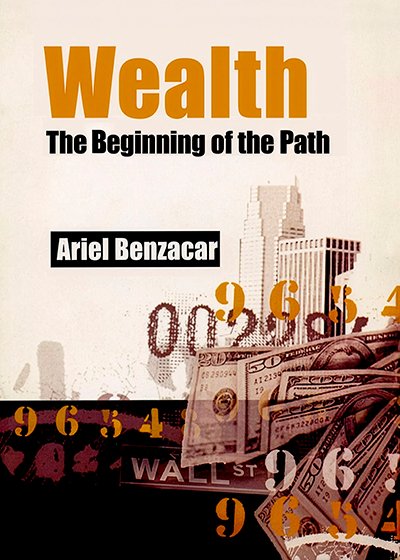
A book · A vision · A protocol

The Prosperity Protocol

There are protocols to treat every illness, but none to guide human progress. This is a practical response to that missing link.

The Protocol

After years of living in societies marked by poverty and following an exhaustive analysis of economic literature, I arrived at an inescapable conclusion: academia has failed to articulate a systemic protocol capable of lifting people out of poverty. Existing recipes are necessary, but insufficient. This space is born to propose a viable solution, a path that seeks not only economic growth, but an evolution toward holistic and genuinely human development.

The Prosperity Protocol is grounded in a conscious transition through three stages of development. The immediate objective is to eradicate pre-materiality wherever it still exists; I am referring to that stage of functional deprivation where deficits in food, health, housing, and education stifle human potential. But the goal does not end there.

Today's developed societies inhabit a different dimension: materiality, characterized by physical comfort and consumption. However, well-understood general welfare does not depend on globally replicating "first-world" consumption levels, which are neither viable nor necessary. Instead, it lies in moving toward post-materiality, that third stage that fosters harmony between resources and the ultimate purposes every human being pursues: happiness, peace of mind, and self-actualization. This Protocol points in that direction.

Ariel Benzacar

Wealth: the beginning of the path

Book cover — Wealth: the beginning of the path

Wealth: the beginning of the path

By Ariel Benzacar

This carefully crafted essay examines why certain societies thrive while others remain trapped in poverty, frustration, and violence, despite being equipped with natural resources, education, or formal institutions. The central thesis of author Ariel Benzacar is that growth does not stem from an isolated economic recipe, nor does it rely solely on democracy, legal certainty, culture, or religion. Instead, it requires managing resources according to a shared social mandate. Without this mandate, individuals, businesses, and the state allocate resources based on partial interests, turning competition into corruption, economic cannibalism, intellectual dishonesty, and policies that ultimately harm the collective whole.

This social mandate serves as the common orientation that enables laws, regulations, and economic decisions to be implemented with collective coherence. In pre-material societies—where basic needs such as food, housing, healthcare, education, or employment remain unmet—the priority must be increasing global wealth. This global wealth is the sum of personal, corporate, and state wealth, encompassing physical assets alongside transformative capabilities: knowledge, health, education, technology, organization, and the talent to convert resources into well-being. A prosperous society does not merely transfer wealth from one sector to another; it aligns incentives so that private profitability, state action, and individual progress elevate the common good.

Benzacar identifies three distinct stages: pre-materiality, materiality, and post-materiality. The first reflects functional deprivation; the second, physical comfort and sensory fulfillment; the third, a balance between material and immaterial desires, such as belonging, happiness, connection, self-actualization, and quality of life. Development must begin by resolving pre-material conditions, yet without treating material accumulation as the ultimate end: material goods alone cannot eliminate depression, violence, loneliness, or a lack of purpose.

The conclusion is both systemic and educational. Sustainable growth requires an explicit mandate, a critical mass of aligned actors, rules interpreted in light of that mandate, protection of operational wealth, productive inclusion, and education that fosters a shared vocabulary. Benzacar cautions against transculturation—applying theories born in material societies to pre-material contexts without adjusting priorities. Ultimately, the path to prosperity lies in organizing resources, institutions, and learning around a viable purpose: building global wealth to improve everyday lives and paving the way toward a more human and sustainable post-material development.
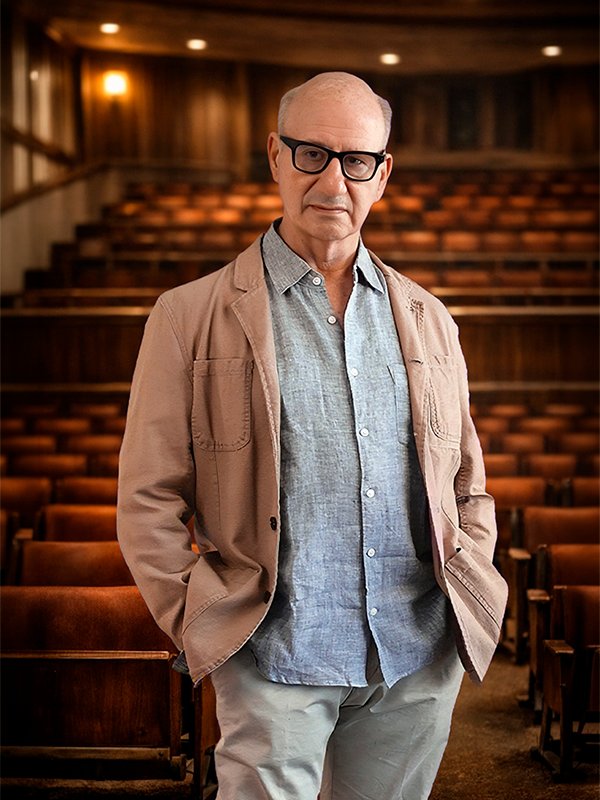
Ariel Benzacar

Ariel Benzacar — portrait

Ariel Benzacar is a thinker, writer, and artist whose life's work defies traditional boundaries, merging technical rigor with a profound humanistic vision. Born and raised in Argentina, he holds a degree in Industrial Engineering from the University of Buenos Aires—a background that provides the systemic foundation for his analysis of complex social and economic structures.

As an essayist, he is the author of Wealth: The Beginning of the Path, a seminal work that articulates the principles of the Prosperity Protocol. His intellectual journey is not merely theoretical; it is rooted in decades of direct engagement with the material world. Benzacar leads Bentro, an engineering and architecture firm dedicated to creating high-quality spaces that harmonize innovation with environmental respect. Years prior, he spearheaded a fully integrated industrial venture in the forests of Santiago del Estero, managing the entire value chain of white quebracho—from raw extraction to the delivery of consumer products. This experience provided him with a unique, firsthand perspective on the challenges of pre-materiality and the complexities of industrial production.

His search for a more integral form of wealth led him to co-found the Munar Art Center, where he served on the board and fostered an ecosystem for artists to solidify their creative purpose. An avid painter and installation artist himself, Benzacar explores the intersection of discipline and freedom—a theme that also resonates in his passion for sailing. Whether at the helm of a sailboat on the Rio de la Plata or in the solitude of his studio, he seeks the balance between external forces and internal direction.

Ariel Benzacar's multifaceted identity is a coherent expression of a single underlying vision: that true prosperity is not a simple economic metric, but a multidimensional achievement. Today, he continues to bridge the gap between economics, philosophy, and the human condition, dividing his time between his studio, the written page, and the open water, always driven by the purpose of building a more conscious and sustainable path to human fulfillment.

The Protocol in Ariel Benzacar's Own Words

In this nine-minute short film, Ariel Benzacar outlines the core ideas behind The Prosperity Protocol — what wealth really means, why most people misunderstand it, and how a shift in perspective can open an entirely new path. A concise and compelling introduction to his thinking.

The Protocol in Three Principles

"Wealth is not merely what we possess, but our collective talent to transform resources into lasting human well-being."

— Ariel Benzacar

"Real development resolves material needs not as an end, but as a bridge to a more conscious, human, and sustainable life."

— Ariel Benzacar

"True wealth is the alignment of private profit and state action under a social mandate that serves the collective whole."

— Ariel Benzacar